Radical Collaboration: From Shared Ambition to Shared Asset
See Radical Collaboration in practice through a hypothetical neighborhood workshop, from first idea and shared commitments to everyday operation.
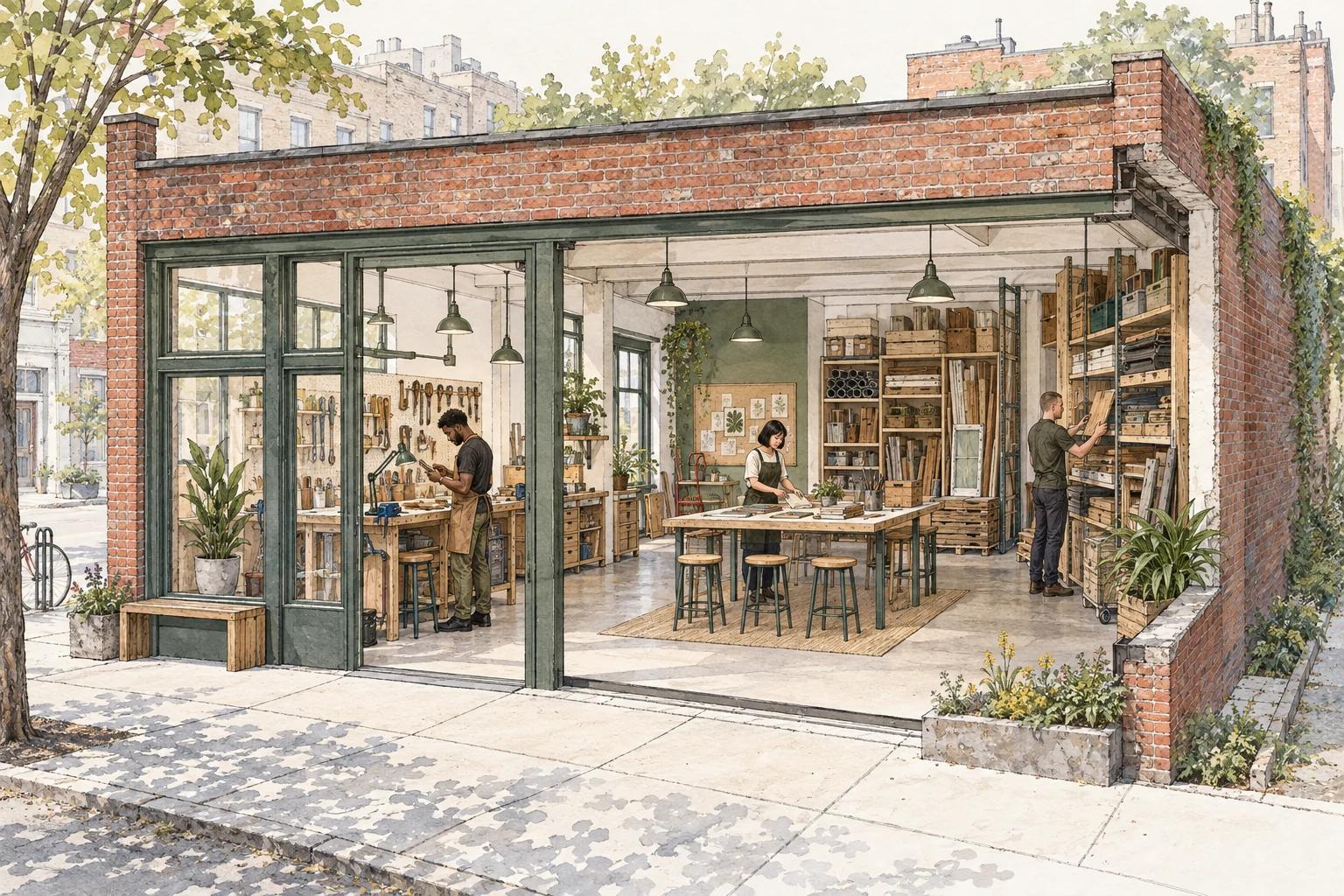
An unused storefront has room for repair benches, a teaching area and material storage. A local organization can imagine classes there. Independent tradespeople could use the equipment. Neighbors want a place that serves the block.
It is a promising starting point. It is also a collection of untested ideas. The owner may not want to sell. The building may need costly repairs. The proposed users may need it at the same time or be unable to cover its operating costs.
A shared community asset emerges when people turn those possibilities into a viable use, defined commitments and an operation they can sustain. Radical Collaboration has to work through each of those steps.
The workshop in this article is hypothetical. It illustrates the decisions a team would face; it is not a BBD acquisition, partnership or completed facility. The images are conceptual editorial illustrations.
This final article applies the series' ideas to one project. Read the earlier pieces on the purpose, shared resources and decisions and benefits.
Put Radical Collaboration to work on one shared need
The first conversation should establish what people are trying to do. In this example, repair businesses need occasional equipment access, a community organization needs teaching space and residents want practical skills close to home.
Ask each group what it uses now, what is missing and what commitment it could make if the workshop existed. A person liking the idea is different from a business expecting to book space every week.
Write a short use brief before falling in love with the storefront. It should describe the activities, likely users, access needs, hours and rough operating requirements. That brief gives the property assessment a purpose.
Then establish who owns the building and whether the team has permission to assess it. Qualified people can investigate condition, utilities, environmental concerns and the approvals the proposed use would require.
The team may learn that the building's power supply or roof makes the plan unaffordable. That finding is useful. A project should be able to change sites without losing the shared purpose that brought people together.
For a more detailed property screen, use BBD's community building feasibility checklist. The result should be a reasoned decision to investigate further, revise the use or stop.
Let local knowledge change the brief
Suppose the early idea emphasizes woodworking. Conversations reveal stronger demand for appliance repair and introductory trades classes. Nearby residents are worried about deliveries and late noise.
These findings change the proposal. Appliance repair may need different benches, storage and technical support. Classes need preparation time and a suitable teaching area. Delivery access affects which entrance should serve the workshop.
Bring alternatives back to the participants. Show how a teaching area changes the amount of rentable work space. Explain what evening hours would require. Identify questions that still need professional assessment.
The team should keep an initial brief and a revised one. Record which input changed the proposal and why some requests could not fit. That makes participation visible without claiming unanimous support.
There may be a disagreement the site cannot resolve. If safe access or an acceptable operating pattern is impossible, the group can choose another property. The purpose is to find a place that works for the people involved.
Assemble commitments that fit together
A viable use still needs a team. The property holder, operator, construction professionals, training partner and potential users each have a different role. Their commitments must cover the work between the idea and opening day.
A training organization might agree to prepare a curriculum and run a set of classes. That does not make it the building operator. A contractor can price renovation without promising to maintain the workshop after completion.
Potential users can help test demand, but an expression of interest is not a lease or guaranteed revenue. Put each source of support in the right category: exploratory, proposed, agreed or completed.
The project also needs someone responsible for coordination. Preparing decisions, keeping records and following up on dependencies take time. Give that work a scope, authority and a budget.
One useful document is a commitment register. For each participant, record what they will provide, when it is needed, what it depends on and who is authorized to confirm it. Review it when the plan changes.
Make the budget carry the whole promise
A workshop costs more than its purchase and renovation. Design, surveys, approvals, equipment, insurance, staff, utilities and maintenance all compete for money. Opening also needs cash before activity reaches a steady level.
Put those uses beside the available sources. Distinguish committed money from applications and conversations. Identify when each payment is due and when each source would actually be available.
The worked sources-and-uses guide shows how to structure that comparison. The funding-by-phase article connects it to the sequence of development work.
If the sources fall short, the team has choices. It might begin with fewer activities, lease a smaller space or seek a partner that can fund a defined part of the project. Each revision should be tested against the original purpose.
A reduced first phase can still be useful. It becomes misleading when the team continues promising the larger program after removing the resources that would deliver it. Update the public explanation when the scope changes.
Decide how the asset will be held and governed
Before people commit to the long relationship, explain what entity will hold the property and how the workshop will operate. Define membership, occupancy, work and partner arrangements according to what each actually provides.
For this example, users might help shape access rules while an operator manages daily bookings. A governing body may approve the annual budget and major purchases. The actual structure must be set in the project's agreements.
Test it with an ordinary decision. Suppose the main machine needs replacement and the cost would consume much of the reserve. Who gets the assessment? Who proposes the options? Who can authorize the purchase?
Then test a harder one. What happens if the workshop cannot cover its costs? Which services can change, who must be consulted and what commitments remain owed to workers, users and funders?
An answer to these questions makes community ownership understandable in daily life. The structure has to carry maintenance and difficult decisions as well as the excitement of opening.
Build with an accountable delivery team
Construction begins when the team has the required site rights, funding, approvals and agreements. Qualified professionals set the work sequence, supervise the appropriate tasks and establish safety and inspection requirements.
Shared purpose does not remove the need for clear work scopes. Each assignment should state the deliverable, qualifications, review process and terms. Changes need authorization before people absorb new costs or labor.
If training is part of the build, define what trainees can do, who supervises them and what they are meant to learn. A learning opportunity should have the support and boundaries needed to make it useful.
If recovered materials are part of the plan, identify their condition, required checks and destination. Storage and handling belong in the schedule and budget. Material reuse works when the practical details fit.
Report progress in a form the participants can follow. Explain completed work, unresolved issues and changes that affect cost or opening. A clear account of a delay can preserve trust better than a date nobody can support.

Radical Collaboration continues after opening day
Now imagine the workshop is ready to open. Equipment has been checked, the operator is in place and the first classes are scheduled. The shared asset must begin delivering the use that justified the work.
Routine details decide whether people come back. Bookings need to be reliable. Equipment needs care. The entrance must remain usable. Someone has to respond when a tool is missing or a neighbor reports a problem.
Track use, income, expenses, maintenance and unresolved concerns. Ask whether the people the project intended to serve can actually use it. A full calendar can conceal a service that has become inaccessible to its original users.
Set review points for hours, fees and programming. Keep enough information to distinguish a temporary slow period from a model that needs to change. Explain the choices to the people whose commitments support the place.
The workshop becomes a durable asset through this repeated work. Its value includes the skills people carry away, the tools they can rely on and the relationships that help another useful project begin.
Know what each stage has earned
Shared need. A use brief grounded in conversations with likely users and neighbors.
Site assessment. Access, condition, use and cost findings from the appropriate people.
Team and finance. Defined roles, credible commitments and a budget with remaining gaps visible.
Project agreements. Property, work, operating and participation terms people can understand.
Delivery. Authorized work, inspections, recorded changes and an opening plan.
Operation. Reliable access, maintenance, accounts and a way to review decisions.
Each stage earns the right to make the next commitment. A pause can be responsible. A changed site can be progress. What matters is whether the evidence supports the promises being made.
Bring the next useful piece
BBD is bringing people together around the possibility of community-owned places. A useful first contribution can be a property lead, a skill, local knowledge, a service or an organization willing to explore a defined role.
If you know a site, share the property details. If your organization can help assess or deliver a project, explore partnering. If you want to contribute your skills, start here.
The next step is to find a concrete piece of work the group can do together. A shared asset begins when the invitation becomes a commitment people can understand, carry out and trust.
Questions about Radical Collaboration in development
Does a property lead mean BBD will acquire the building?
No. A lead begins evaluation. Ownership, access, condition, use, cost, finance and team capacity must be assessed before an acquisition decision can be made.
What if the preferred use does not fit the building or budget?
Show the constraint and test alternatives. The group can change the use, change the site, reduce the initial scope or stop. Explain how each option affects the purpose and the people the project would serve.
When is a shared project successful?
Construction is one milestone. The longer test is whether the place can serve its intended users, meet its obligations, maintain its assets and give participants the role its agreements promise.
Read the Radical Collaboration series
Related Posts

Radical Collaboration: Who Decides and Who Benefits?
Radical Collaboration needs clear decisions and benefits. Connect local input, paid work, shared authority and lasting participation in community projects.
Radical Collaboration: Share Resources, Stay Independent
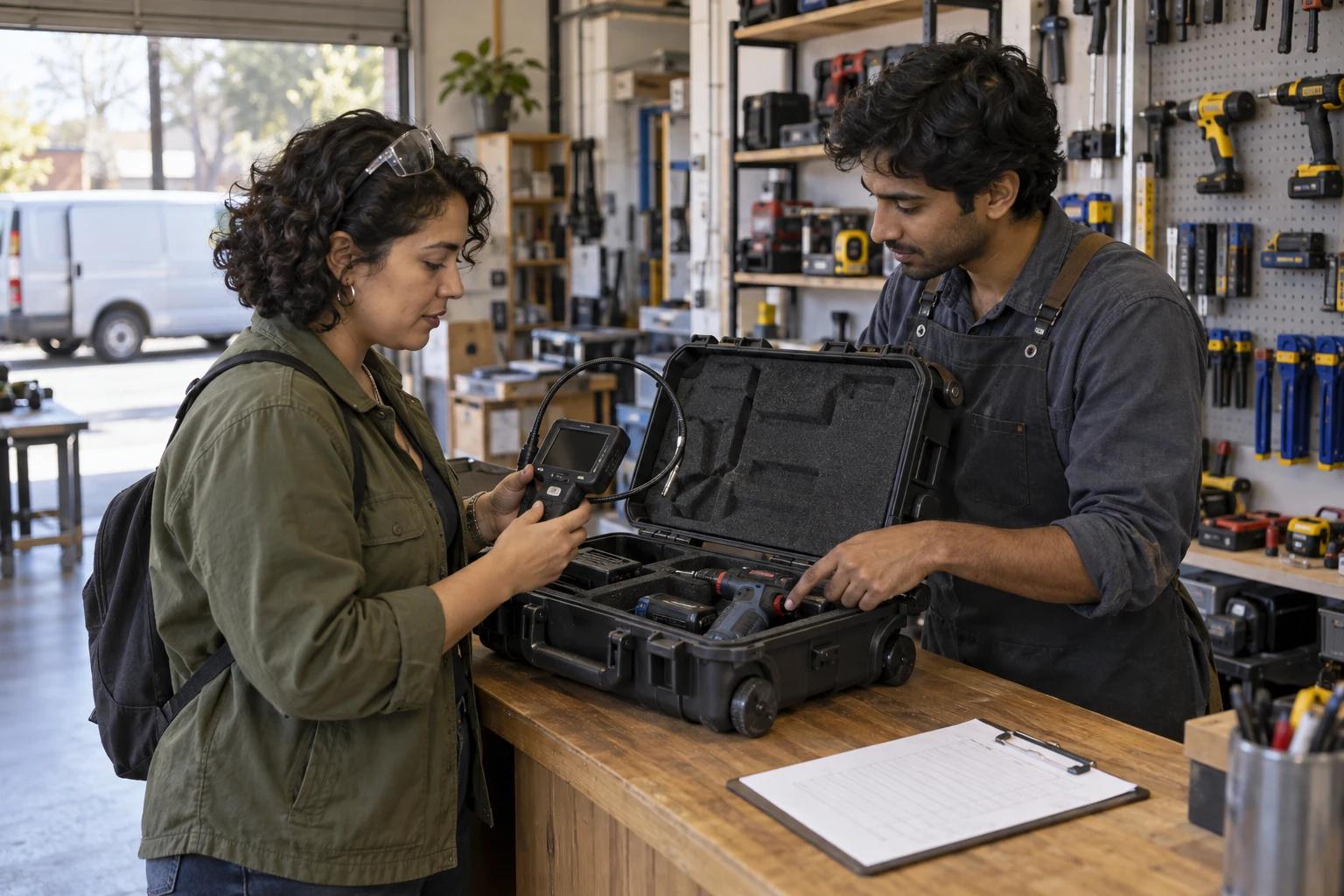
Radical Collaboration helps independent organizations share tools, space and services. Learn how to divide costs, protect access and keep decisions clear.
Radical Collaboration: Building What We Cannot Build Alone
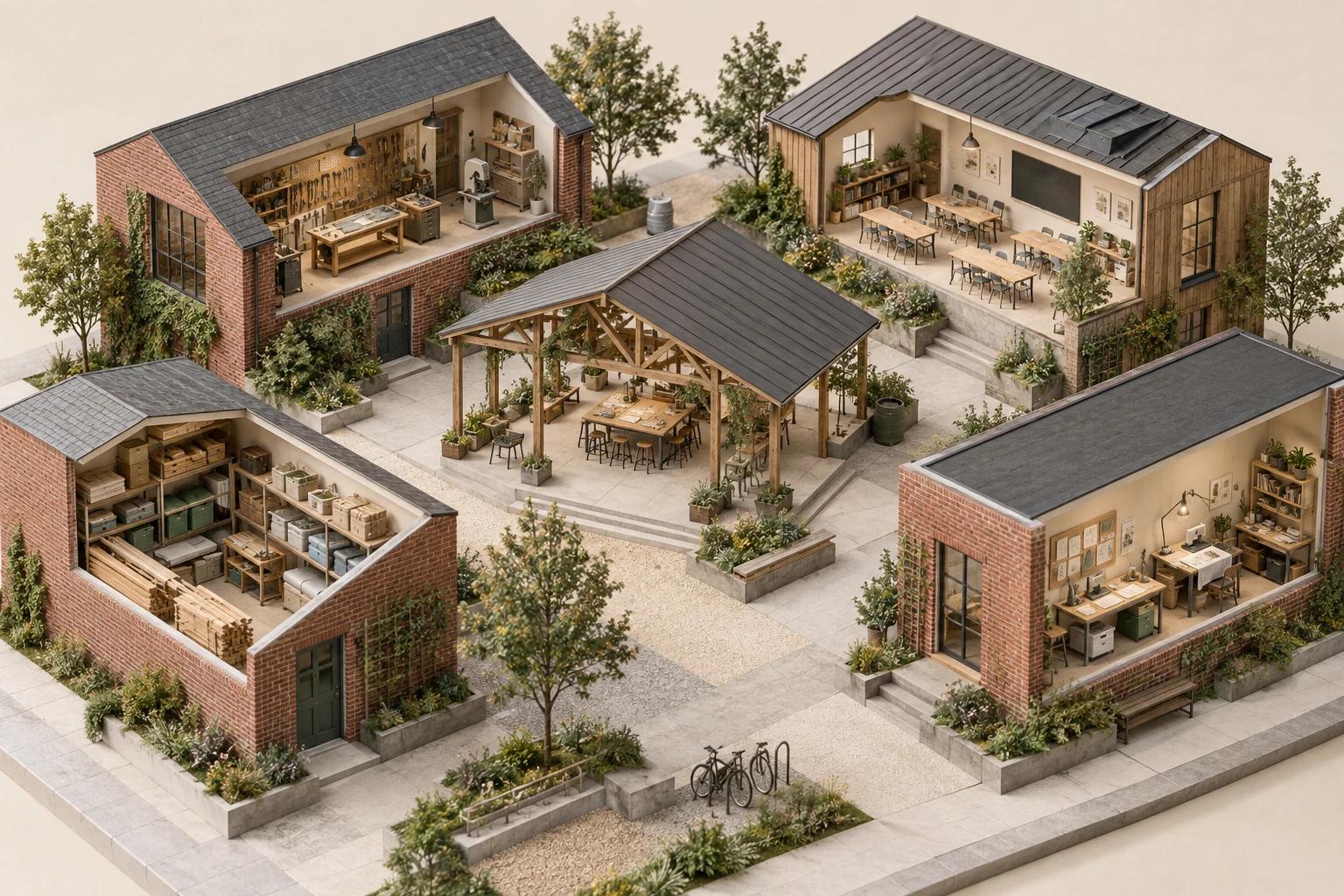
Radical Collaboration connects people, resources and shared decisions. Explore how neighborhood effort can create lasting community assets.