Radical Collaboration: Building What We Cannot Build Alone
Radical Collaboration connects people, resources and shared decisions. Explore how neighborhood effort can create lasting community assets.
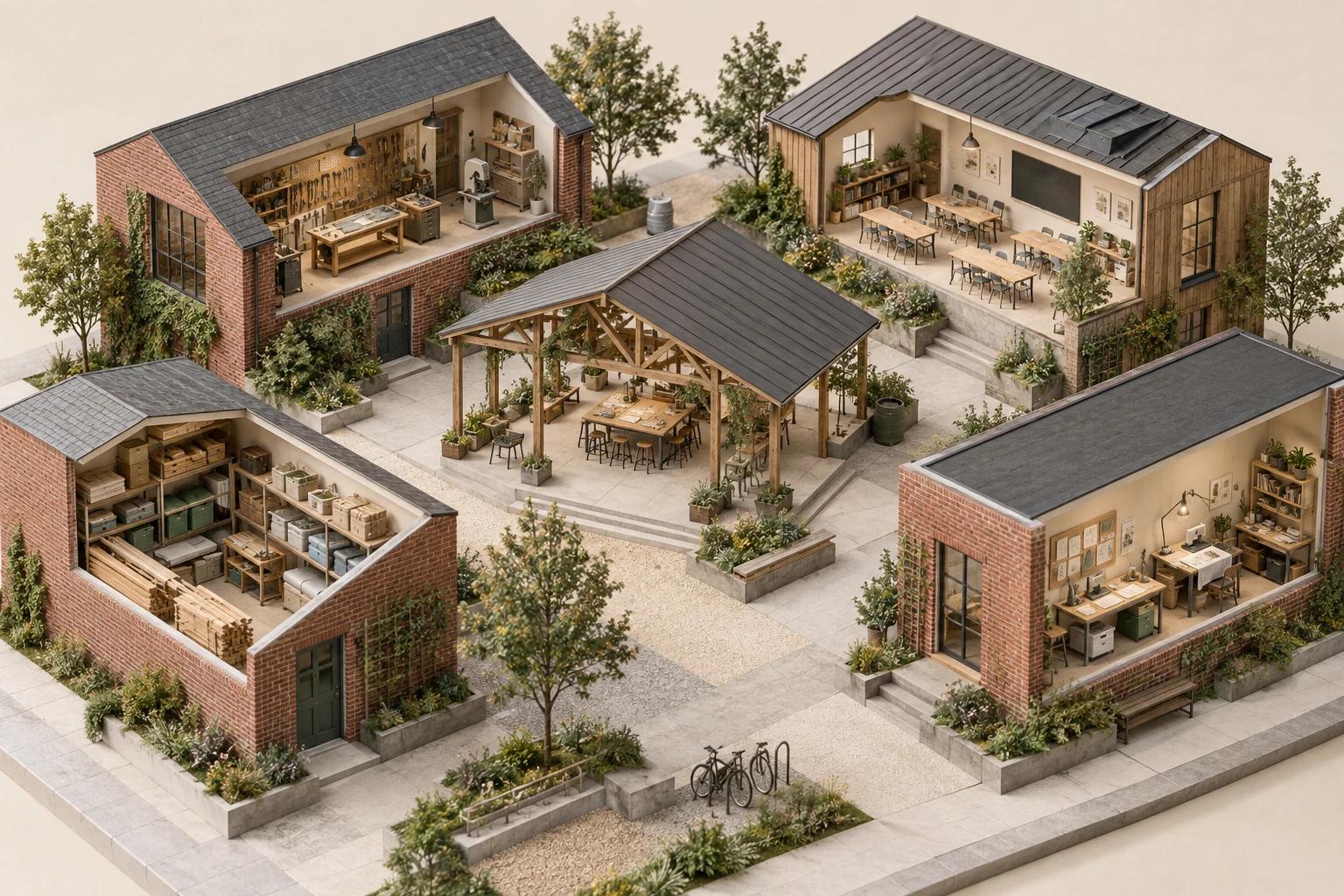
A carpenter needs a place to work. A neighborhood organization needs room to teach. An owner has a building that needs a future. Nearby residents want useful space they can afford and help shape.
Each can see part of the possibility. Each is missing something the others might bring. A workshop could connect them, but an introduction alone will not make the building usable or settle who gets to decide what happens inside it.
For Built By DAO, Radical Collaboration means organizing people, resources and decision rights around something they can build and sustain together. It connects the work people contribute to the terms on which they participate.
That is an ambitious standard. It asks who defines the project, whose knowledge changes it, who carries its costs and who can benefit after the work is done. Those questions belong at the beginning.
This is the first of four articles about putting that approach to work in a neighborhood. We begin with the idea, then examine shared resources, power and benefits, and one possible project from first conversation to daily operation.
Why neighborhoods need Radical Collaboration
Walk through a neighborhood and the inventory is larger than its real estate listings. There are skills, relationships, small businesses, tools, meeting places, local knowledge and people who know how to get things done.
Someone knows which owner might consider selling. Someone can assess a roof. Someone already teaches repair skills. Someone understands why an earlier project lost the neighborhood's trust.
Those resources may be separated by organizational boundaries, work schedules, unequal access to money or years of disappointment. Their existence does not mean they are available for a new project. People have their own commitments.
The first task is to find a shared need that makes working together worthwhile. A practical need gives the conversation a center: a place to repair equipment, train builders, recover materials or support local enterprises.
Start there. Establish who would use it, what they need and what each participant can realistically offer. A smaller shared purpose that people can act on is more useful than a sweeping vision nobody can resource.
What makes the collaboration radical?
The word earns its place when participation reaches decisions. A resident's knowledge can change the use of a building. A worker can understand and negotiate the terms of a contribution. A partner can see how its resources will be used.
Consider an early workshop proposal. If the layout, operator and budget are settled before neighbors arrive, their comments have limited room to matter. The invitation should be honest about that limit.
While the use is open, neighbors can help decide whether a project belongs there and what it should serve. Potential users can test hours, equipment and affordability. Builders can expose an expensive assumption before it becomes a promise.
The change is practical: knowledge enters while it can alter the result. The team then owes people an explanation of what changed, what could not change and why.
Shared power also needs boundaries. A community conversation cannot replace a structural assessment or authorize entry to someone else's property. Different decisions carry different expertise, authority and responsibility.
The point is to make those boundaries visible and place decisions with the people equipped and entitled to make them. Participation should have a defined effect, even when that effect is to recommend, challenge or request a review.
Four commitments give the idea substance
A shared purpose. Name the problem the group will address and the people the result is meant to serve. Make the purpose specific enough to test against a budget, a site and actual demand.
Useful contributions. Identify the skills, space, materials, relationships and capital the project needs. Give each contribution a scope and terms appropriate to what is being asked.
Defined authority. Explain who decides, who must be heard, who carries out the decision and where a concern can be raised. A large group does not remove the need for accountable operators.
Visible results. Keep a record of commitments, work, spending and changes that participants can understand. Report what the project has delivered and what remains unresolved.
These commitments depend on one another. A shared purpose without resources stays a conversation. Resources without clear authority can become a contest. Authority without an understandable record is hard to question or trust.
None requires pretending that everyone arrives with equal power. An owner controls access. A funder may set conditions. A specialist may be the only person qualified for a task. Collaboration must account for those differences.
One useful test is whether people with less money or status can raise a problem without losing their place in the project. Another is whether the group can explain how a consequential decision was reached.
There is a tradition to learn from
Community ownership has existing institutions and practices to learn from. Cooperatives provide one reference point, including principles on member control, economic participation, autonomy and cooperation between cooperatives.
The International Cooperative Alliance describes those principles. They connect individual participation to an enterprise members own and govern together.
BBD should learn from that experience while being precise about its own structures. A cooperative, a project company and a DAO are not interchangeable legal arrangements. Their actual agreements determine authority and rights.
The lesson for this series is straightforward: collaboration can be organized around durable institutions. It can have budgets, operators, rules and a life beyond the enthusiasm of the founding group.
Trust grows through work people can check
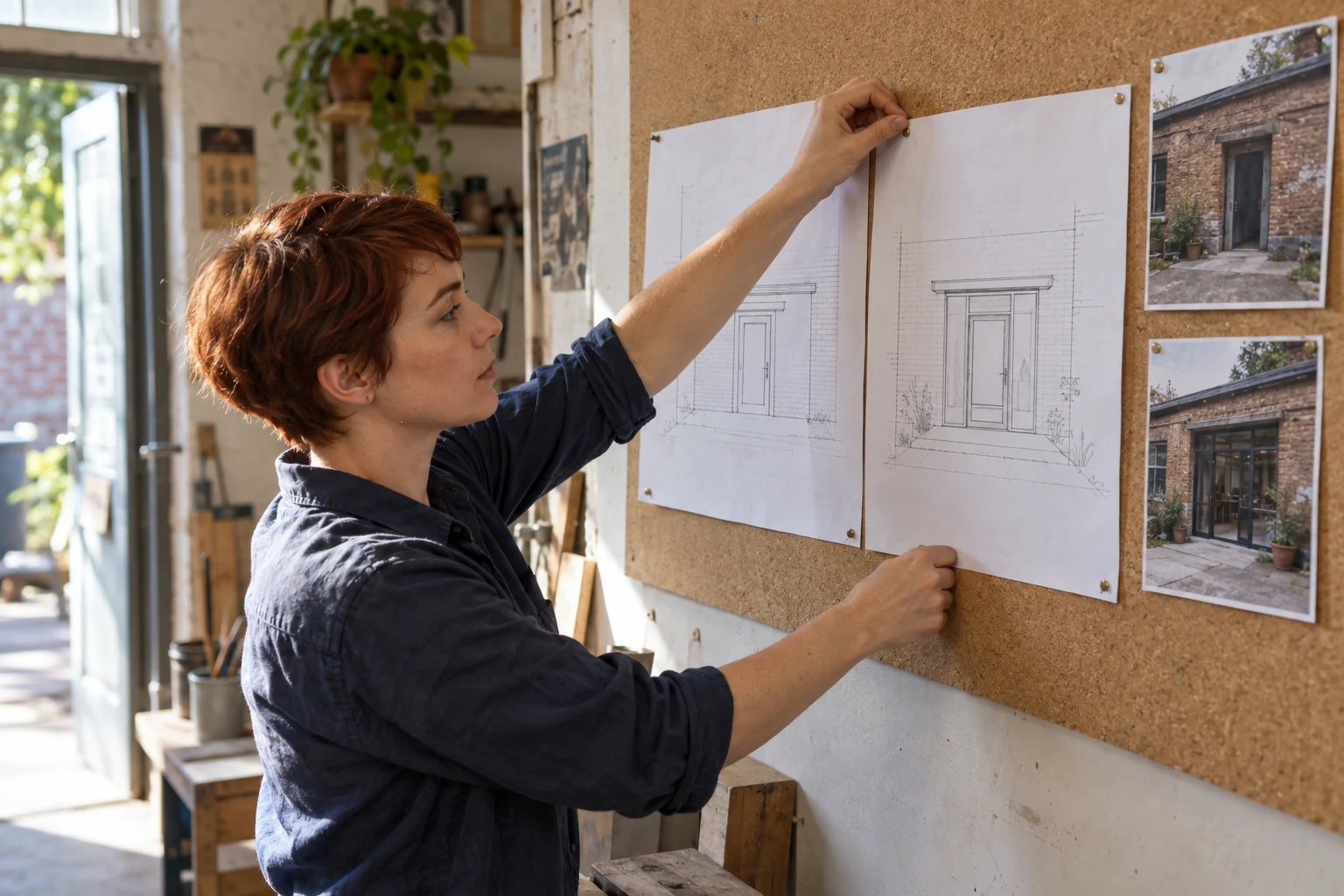
An invitation can begin a relationship. A kept commitment gives it substance. The first shared task should be small enough to complete and useful enough to reveal whether the group can rely on one another.
For a possible workshop, that might be a documented needs assessment, an owner conversation or a professional site review. Set a deadline, identify the deliverable and agree on any payment before the task begins.
Then close the loop. Share what was learned and what decision follows. If the building is unsuitable, say why. The information is still useful: it can prevent others from repeating the same research or making the same mistake.
This is where trust becomes more than a feeling. Participants can see whether the team handles an inconvenient finding honestly, pays for agreed work and returns to the people whose time it requested.
Disagreement belongs in that process. A late-opening workshop may suit its users while troubling nearby residents. The team needs evidence, alternatives and a decision process that gives both concerns a place.
It might test quieter activities in the evening, revise delivery hours or change the use entirely. Collaboration succeeds when it can work through the conflict without hiding the cost or treating a concern as disloyalty.
Technology should make the work easier to follow
A shared record can help people find a decision, check a task's status or understand a budget. It can preserve the history when a coordinator leaves and give a new participant a way to catch up.
The record still depends on people doing the underlying work. Someone must assess a building, review a deliverable and resolve a disagreement. Software can show an approval; it cannot make an unfair agreement fair.
The same care applies to contribution credits. A recorded balance has the meaning assigned by the relevant program and agreement. It should never be used as shorthand for property title or a benefit the project has not authorized.
BBD's public explanation should make the path understandable: what can be contributed, how it is reviewed and which rights or benefits actually follow. Readers should be able to ask those questions without learning technical jargon first.
Build capacity that remains useful
A neighborhood project can leave more behind than a renovated building. People can gain skills, an organization can learn to run a shared space, and a working partnership can make the next project easier to approach.
That lasting capacity is part of BBD's ambition. The Foundry concept brings tools, making, recovery and training into a shared base. Each project must establish which activities fit, who operates them and how their costs are covered.
The ownership ambition belongs beside those operating questions. What will hold the asset? Who can use it? How will members participate? What is retained for maintenance, and what could support another project?
Those choices connect today's effort to tomorrow's possibilities. They give people something concrete to evaluate before asking them to commit their time, reputation or money.
Start with what you can bring
You do not need to arrive with a whole development team. You might bring a skill, a property lead, knowledge of a block, a local organization or an interest in using shared space.
The useful first conversation connects that contribution to a real need. What could it help the group learn or do? Who else is needed? What commitment would make sense at this stage?
If that is a conversation you want to have, explore how BBD builds and introduce yourself. The next step should be specific enough for everyone involved to understand and choose.
Questions about Radical Collaboration
Does everyone have to agree on everything?
No. A project needs a defined process for each kind of decision. Some choices call for broad input or a member vote; others belong to a qualified professional or an operator acting within an agreed budget.
Does collaboration require shared ownership?
People can collaborate through a contract, shared service or temporary project. Shared ownership adds a longer relationship with the asset. The structure should fit the purpose and the commitments people are willing to make.
How can you tell whether participation is meaningful?
Ask what participants can change, how their input reaches the decision and how the team will report the result. A visible decision trail is stronger evidence than a large attendance count.
Read the Radical Collaboration series
Related Posts

Radical Collaboration: From Shared Ambition to Shared Asset
See Radical Collaboration in practice through a hypothetical neighborhood workshop, from first idea and shared commitments to everyday operation.

Radical Collaboration: Who Decides and Who Benefits?
Radical Collaboration needs clear decisions and benefits. Connect local input, paid work, shared authority and lasting participation in community projects.
Radical Collaboration: Share Resources, Stay Independent
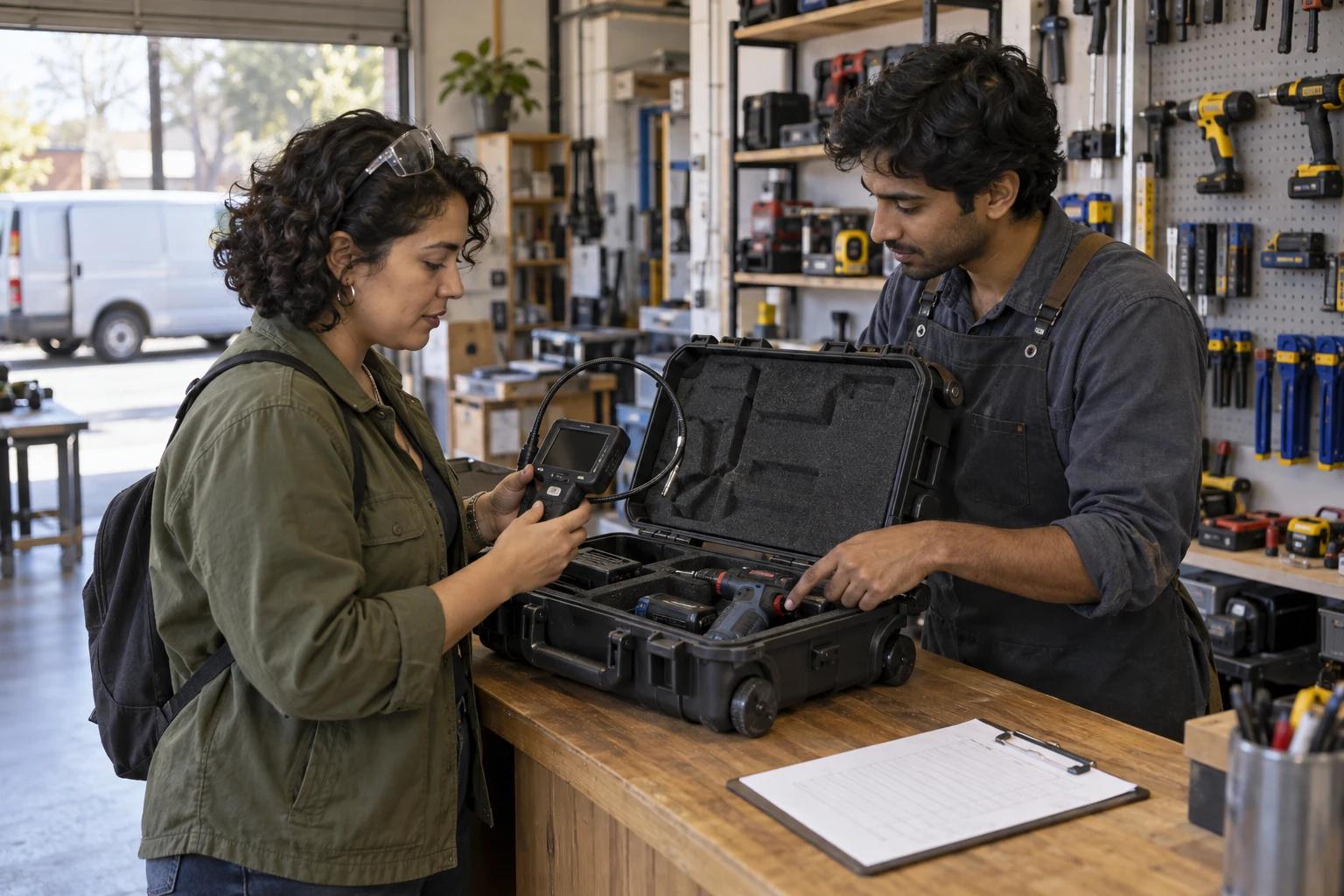
Radical Collaboration helps independent organizations share tools, space and services. Learn how to divide costs, protect access and keep decisions clear.