South Shore Is Not a Turnaround Story. It's a Custody Question.
South Shore has the bones. What it's been missing is a system that keeps wealth in the hands of the people who built the neighborhood. Community development works when residents hold the keys, not just the lease.
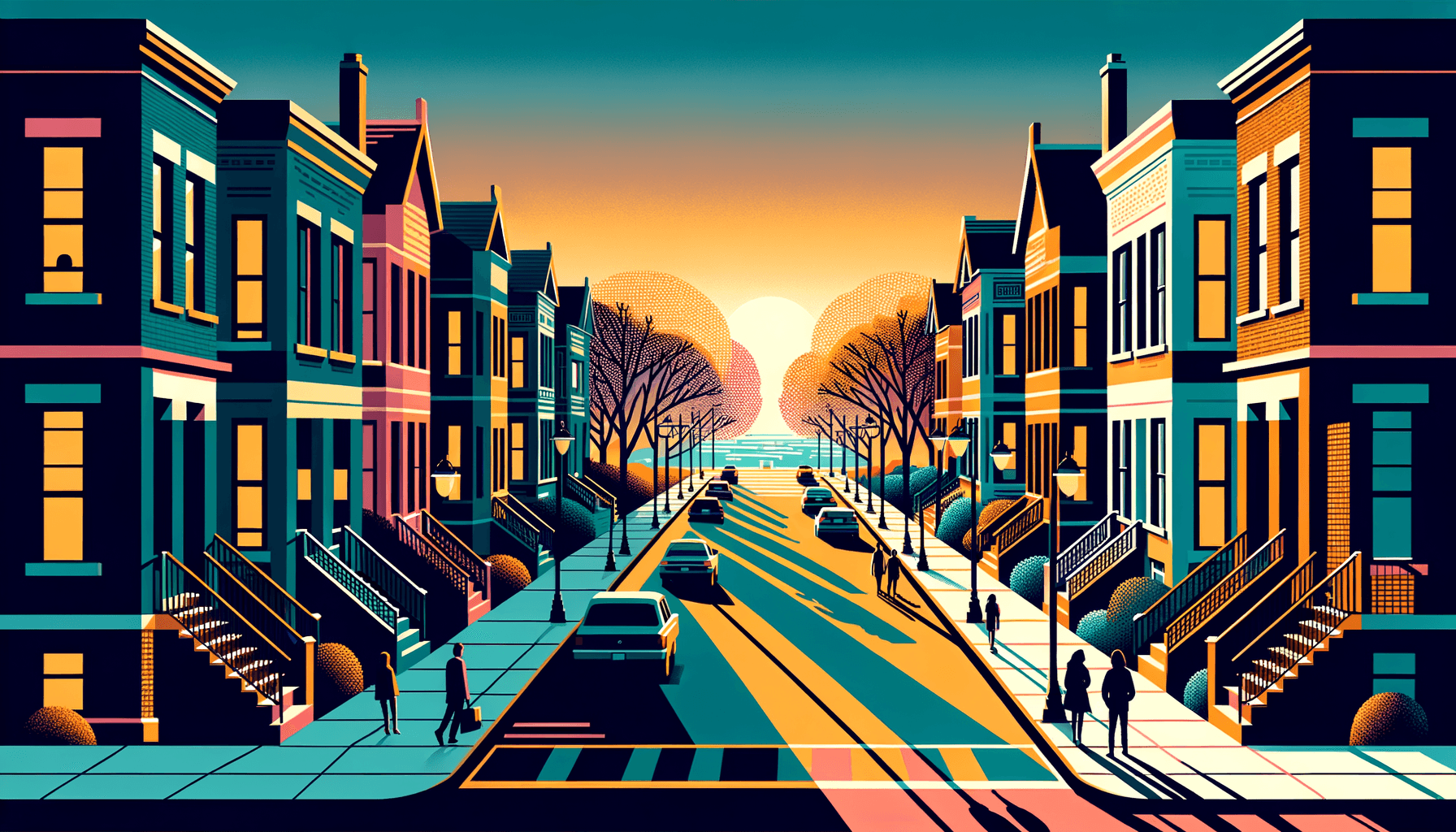
South Shore Has Always Had Value. The Question Is Who Captures It.
South Shore sits on Lake Michigan. It has a historic cultural center, a golf course, a dense grid of greystones and two-flats, and decades of documented community organizing. The neighborhood is not broken. It never was.
What it has had is a displacement problem dressed up as a development problem.
Every wave of investment that arrives without resident ownership follows the same script. Property values rise. Rents follow. Long-term residents leave. New stakeholders absorb the equity that old ones built through decades of staying put and holding things together.
That is not revitalization. That is extraction wearing a hard hat.
The Hidden Variable Is Always Custody
Community development conversations spend too much time on capital and not enough time on who controls it. You can build a mixed-use development on 71st Street and call it a win. But if the residents of South Shore don't hold equity in that building, they are spectators at their own neighborhood's appreciation.
A system can slow displacement. It cannot substitute for ownership.
The real question in any neighborhood investment conversation is not whether money is coming in. It is who holds the keys when the deal closes. Who sits on the board. Who captures the rent roll. Who decides what gets built next.
If those answers keep pointing outside the community, the development is working against the residents, even when the press release says otherwise.
What South Shore Keeps Getting Offered Instead
The neighborhood has attracted attention in waves. The Obama Presidential Center on the south end. Scattered TIF investments. Promises of grocery stores and transit improvements that arrive slowly, if at all.
None of those things are bad. Some are genuinely useful. But infrastructure and amenity upgrades without resident equity capture are just price signals. They tell the market that South Shore is worth more, and then let outside capital be first in line to benefit.
We reward proximity to power. We need proximity to ownership.
The residents who stayed through disinvestment, who maintained block clubs and church networks and informal mutual aid, carried the neighborhood's load. They should not be the last ones compensated when the neighborhood's value is finally recognized.

What Real Custody Looks Like at the Neighborhood Level
Community development that holds is not complicated. It is just harder to finance and less photogenic than a ribbon cutting. The signals are operational, not rhetorical.
- Resident equity stake. People who live in the neighborhood hold ownership shares in the assets built there, not just tenant rights.
- Local governance. Decisions about what gets developed and at what price point require resident approval, not just resident input.
- Track record over hype. Developers and platforms earn access through demonstrated commitment, not pitch decks.
- Anti-displacement covenants. Affordability protections are written into the structure, not tacked on as goodwill gestures.
- Profit sharing with staying power. Equity distributions favor long-term residents, creating a financial incentive to remain and reinvest.
- Transparent auditability. Residents can inspect financials, governance decisions, and performance metrics without filing a FOIA request.
- Restoration pathways. When standards slip or leadership fails, there is a clear process for correction, not just exit.
These are not ideals. They are design requirements.
The Built By DAO Model Applies Here Directly
Built By DAO exists because the conventional real estate system is not set up to build resident wealth. It is set up to transfer wealth upward. The platform lets renters accumulate equity through participation, governance, and tenure, not just through purchase price.
In South Shore, that model fits. The neighborhood has density. It has organizing infrastructure. It has residents who have already demonstrated long-term commitment to place.
What it needs is a platform that treats that commitment as a financial asset, not just a community virtue.
Earned access over granted access. Verification through track record. Tension-tested governance that doesn't collapse when the first disagreement surfaces. Scaling that deepens roots before it chases volume.
That is the build.
Proof Is the Only Entrance
South Shore does not need another vision board. It does not need more renderings of what the neighborhood could look like if the right people showed up with the right capital.
It needs a system where residents hold custody of what they build, earn equity for what they protect, and govern what they own.
The neighborhood will be held by someone. Either by the people who lived through the hard years, or by the ones who arrived after the work was done.
Custody is a choice. It is also a design.
Related Posts

From Building to Neighborhood Asset: The Real Steps Behind a Built By DAO Project
How a promising property becomes a lasting neighborhood asset: sourcing, ownership, community design, feasibility, capital, delivery, and stewardship.

Renting in Chicago While Wealth Stays Out of Reach: What Income Inequality Costs You
Chicago's income gap isn't just a statistic — it shapes where people live, what they can afford, and whether they ever build wealth. Here's what that means for renters, and what's changing.
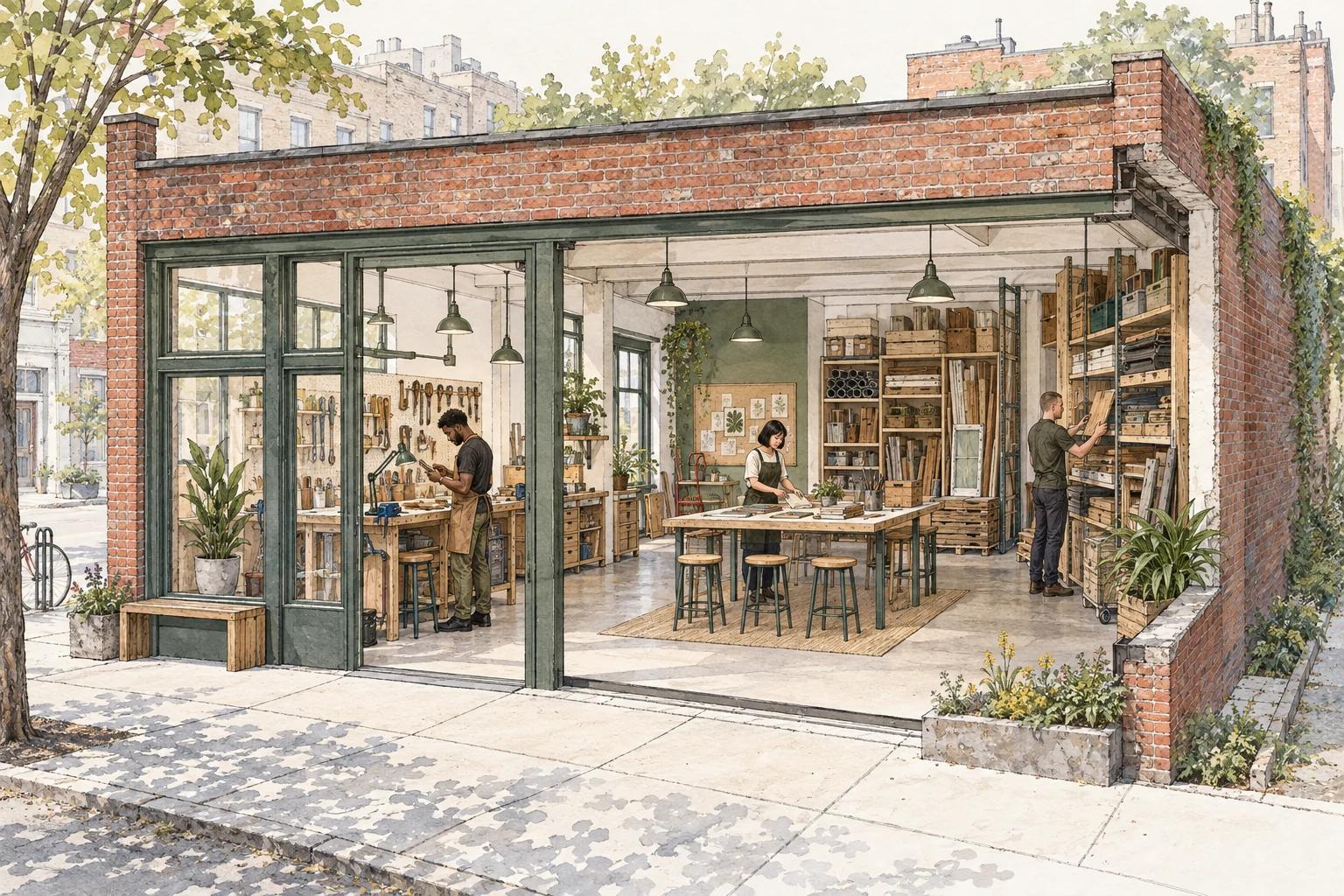
Radical Collaboration: From Shared Ambition to Shared Asset
See Radical Collaboration in practice through a hypothetical neighborhood workshop, from first idea and shared commitments to everyday operation.