Community Governance: Who Decides in Built By DAO?
An introduction to BBD’s Contributors, Investors and Council, and how shared decisions connect to accountable action.
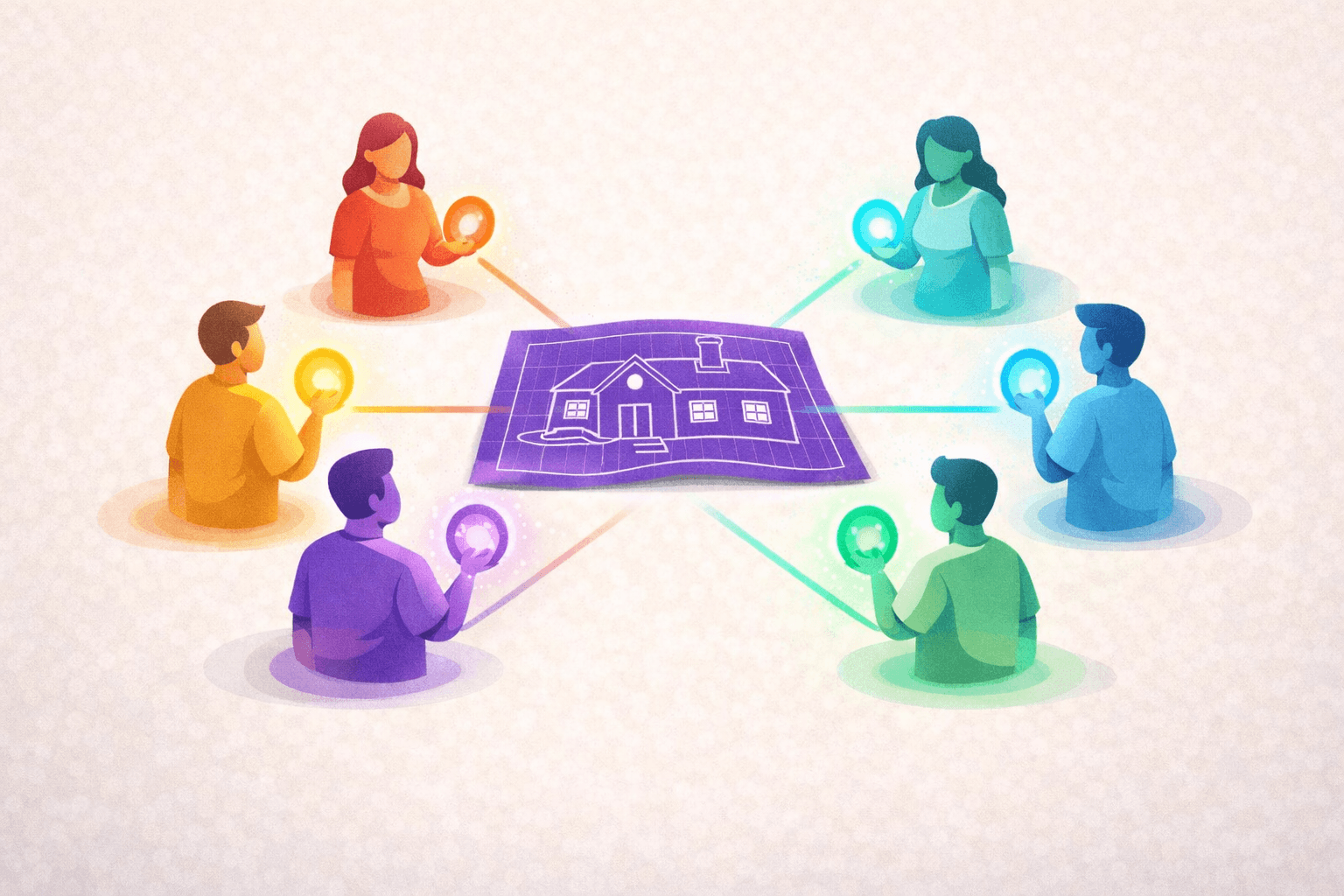
Community ownership needs a way to make decisions
Sharing an asset raises practical questions. Who sets priorities? Who can propose an improvement? Who authorizes spending? Who checks that an approved decision was carried out?
Governance is the set of rules and processes that answers those questions. At Built By DAO, it connects contribution, capital and responsibility without treating them as interchangeable.
This is the introductory guide. For the steps of a proposal, read how DAO governance works in practice.
Different participation brings different responsibilities
BBD's current governance design separates three houses: Contributors, Investors and Leadership Council. A proposal's category determines which houses are required and which policy applies.
Contributor participation is tied to effective, reviewed WORK contribution. Investor credentials have their configured role inside the Investor house. Council members participate through consent or reasoned objection under the relevant policy.
These distinctions help answer a central ownership question: how can people who do useful work, provide capital and carry organizational responsibility each have a defined role?
The voting documentation describes the design in detail. Exact thresholds and timing belong to the applicable policy and deployment, so this introduction does not prescribe one universal vote length or majority for every decision.
Contribution and housing participation are separate records
BBD's earned EQTBLT model distinguishes WORK contribution from RENT Housing Loyalty. They record different forms of participation. The current contributor-governance design uses effective WORK provenance; paying rent does not add to contributor voting power.
That makes the contribution record important. A useful task, clear acceptance criteria and review create the basis for recognizing work. Our contribution guide follows that process from task to record.
Make the decision understandable before asking for a vote
A good proposal gives people enough information to make a decision. It identifies the desired outcome, the work involved, its cost, the responsible people and how completion will be assessed.
For example, a proposal for a shared tool area should explain who will use it, how equipment will be maintained, what space it requires and which budget will support it. Those details turn a broad aspiration into something members can evaluate.
The example illustrates a decision, not an announcement of an approved BBD project.
Approval and execution are different steps
Voting records a decision. Execution carries it out. A proposal can require an eligibility snapshot, approvals from the relevant houses and a cooling-off period before an authorized action happens.
Routine operations also need clear boundaries. An approved maintenance budget should support accountable day-to-day work, while a substantial change in scope follows the applicable approval process.
What members should be able to follow
A useful governance view shows the proposal category, required participation, current status, voting deadline, result and execution record. People should be able to understand why a proposal is waiting and what happens next.
For financial decisions, the treasury documentation connects allocations and spending to authorized sources and destinations. Governance becomes practical when a decision can be followed into its effect on a place or project.
Find your role in the build
You do not need to begin with contract details. Start with the work and decisions you care about: a useful shared space, a neighborhood project or a contribution you can make.
Explore community ownership and ways to contribute. The governing documents and active project policies provide the specific rules when you take part.
Related Posts
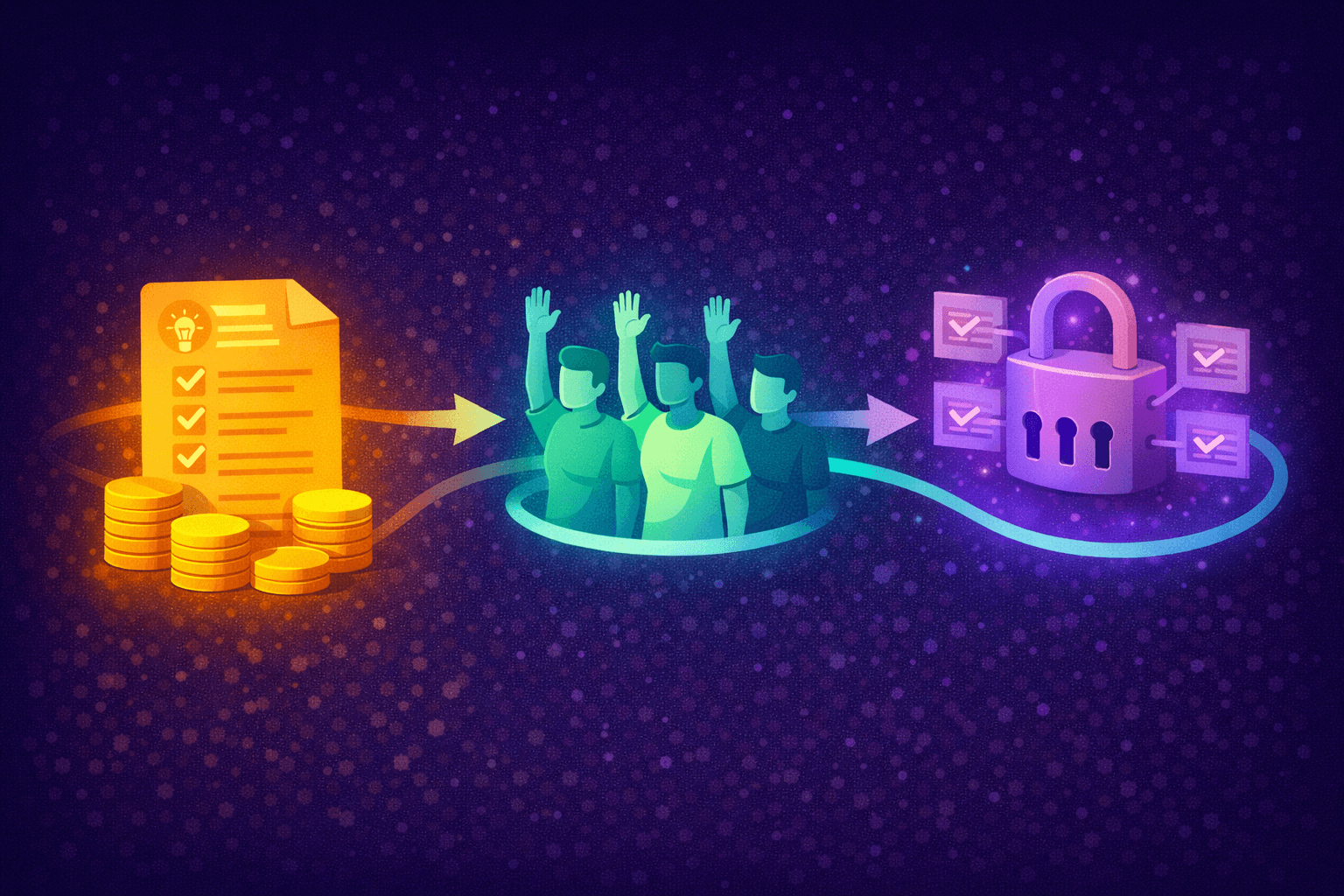
How DAO Governance Works: From Proposal to Execution
Follow a BBD proposal through its category, eligible participation, decision, cooling-off period, execution and review.

South Shore Is Not a Turnaround Story. It's a Custody Question.
South Shore has the bones. What it's been missing is a system that keeps wealth in the hands of the people who built the neighborhood. Community development works when residents hold the keys, not just the lease.

Own What You Help Build: Why DAOs Matter Now
DAOs are here, and they're changing how organizations run — with code instead of bosses, and power flowing to those who show up and contribute. Here's why now is the time to get involved.