The Real Cost of Renting in America
Nearly half of US renters spend more than 30% of income on housing. Here's what the data says — and how equity models change the math.
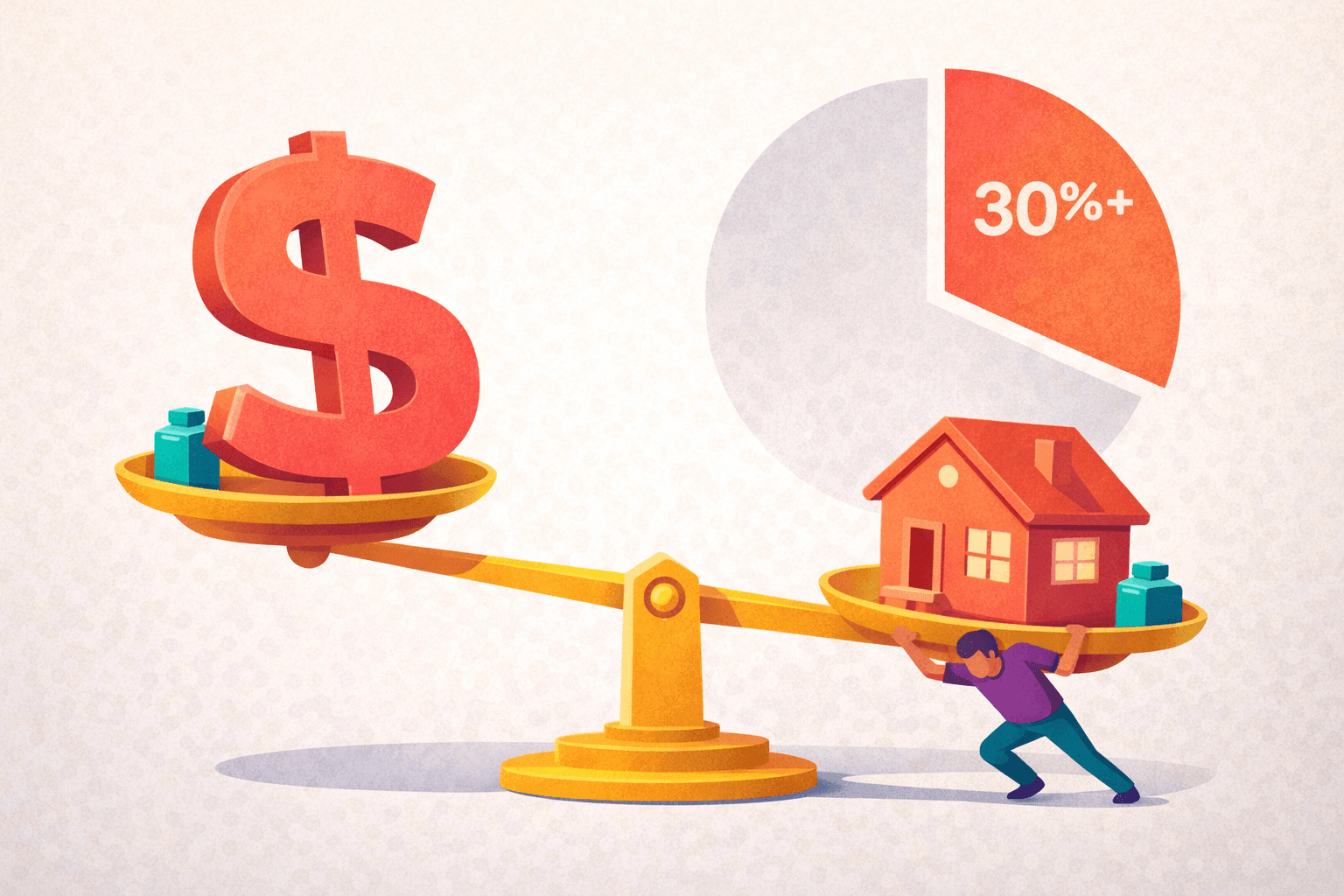
The 30% Rule Is Breaking
For decades, financial advisors have told renters to spend no more than 30% of gross income on housing. That number was already a stretch for many families. Today, it feels like a relic.
According to the Joint Center for Housing Studies at Harvard, roughly 22 million renter households in the United States are cost-burdened, meaning they spend more than 30% of their income on rent. Of those, about 12 million are severely cost-burdened, spending more than half their income just to keep a roof overhead.
These are not edge cases. They represent nearly half of all renter households in the country.
Where the Burden Hits Hardest
Rent burden is not distributed evenly. It concentrates in cities where job growth has outpaced housing construction for years.
- Miami: Over 57% of renters are cost-burdened. Median rent has climbed past $2,000 while median renter income has not kept pace.
- Los Angeles: More than 55% of renters exceed the 30% threshold. A one-bedroom apartment in many neighborhoods costs $2,200 or more per month.
- New York City: About 53% of renters are cost-burdened. Despite having the largest rental market in the country, supply has never matched demand.
- Orlando: A tourism-driven economy with median wages that lag far behind rising rents. Roughly 54% of renters are burdened.
- San Diego: Coastal markets combine high demand with strict zoning, pushing the burden rate above 50%.
The pattern is consistent: strong economies attract workers, housing construction stalls, and rents climb while wages crawl.
What Rent Burden Actually Costs You
The financial damage goes beyond the monthly check. When you spend 40%, 50%, or even 60% of your income on rent, the downstream effects compound:
- No emergency savings. One unexpected car repair or medical bill becomes a crisis.
- No investment capital. You cannot build wealth if every dollar is spoken for before it arrives.
- No mobility. Moving to a cheaper city costs money you do not have — first and last month's rent, security deposit, moving expenses.
- No homeownership path. Saving for a down payment is nearly impossible when rent consumes most of your paycheck.
Over a five-year lease at $1,800 per month, you will have paid $108,000 to a landlord. You will own nothing. Your net worth from that housing expense is exactly zero.
The Wealth Gap Built Into Renting
Homeownership remains the primary wealth-building vehicle for American families. The Federal Reserve's Survey of Consumer Finances consistently shows that the median homeowner's net worth is roughly 40 times that of the median renter.
This gap does not exist because renters are less responsible. It exists because the system is designed to transfer wealth in one direction — from tenants to property owners. Every rent payment builds someone else's equity, pays down someone else's mortgage, and appreciates someone else's asset.
Renters are not failing to build wealth. The mechanism for building it simply does not exist in a traditional lease.
How Equity Models Change the Math
What if part of your rent actually came back to you?
That is the core idea behind rent-to-equity programs. Instead of 100% of your payment flowing to the property owner, a defined portion is credited to you as equity in the property itself.
At Built By DAO, that number is 10% of every rent payment, converted into EQT (equity credits) tied to your building. On a $1,500 monthly rent, that means $150 per month accumulates in your name. After five years, you have built $9,000 in real equity — not from saving extra money, but from the rent you were already paying.
It does not solve the affordability crisis overnight. But it breaks the zero-sum equation that has defined renting for generations. Your housing expense starts working for you instead of exclusively for someone else.
The Structural Problem Requires Structural Solutions
Individual budgeting advice cannot fix a market where supply has lagged demand for decades. The real cost of renting in America is not just a monthly number — it is the cumulative loss of wealth-building potential for tens of millions of families.
Policy changes matter. Zoning reform, expanded housing credits, and investment in community land trusts can all help increase supply. But we also need models that rethink how rent itself functions — turning it from a pure expense into a path toward ownership.
Start Building Equity From Your Rent
Built By DAO is creating housing where renters build real ownership. 10% of every rent payment converts to equity credits that belong to you. No gimmicks, no fine print — just a better deal for the people who actually live in the building.
Join the waitlist to get early access, or learn how it works in detail.
Related Posts
Housing Policy Changes That Could Unlock Affordability
From zoning reform to LIHTC expansion, these policy changes could make housing more affordable — especially when combined with private innovation.
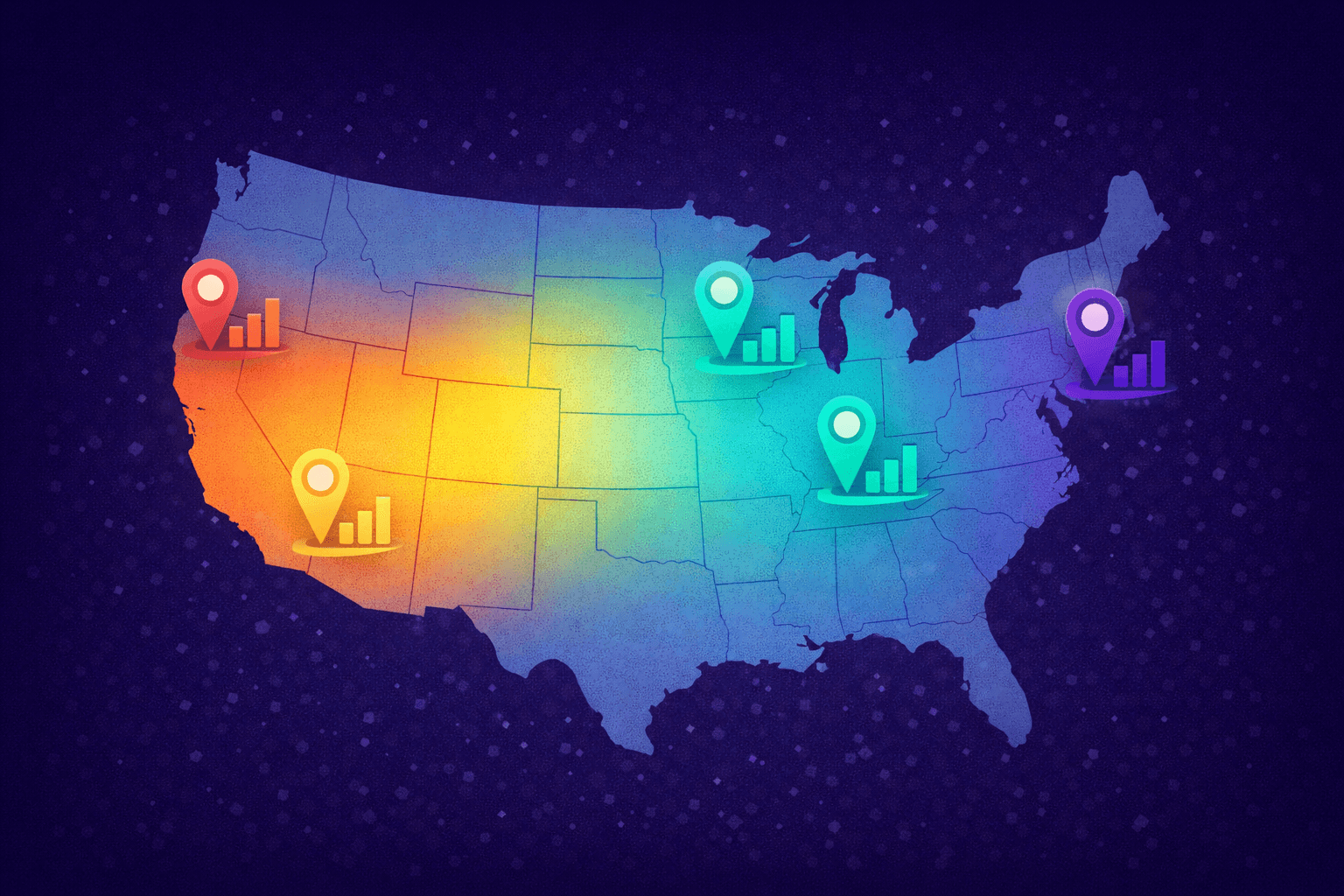
Five Markets Where Renters Need Equity Most
We ranked US cities by rent burden and homeownership gap. These five metros are where rent-to-equity models could make the biggest difference.
What Is Workforce Housing?
Workforce housing serves people who earn too much for subsidies but too little to afford market rate. Here's what it is and why it matters.