What Is Workforce Housing?
Workforce housing serves people who earn too much for subsidies but too little to afford market rate. Here's what it is and why it matters.
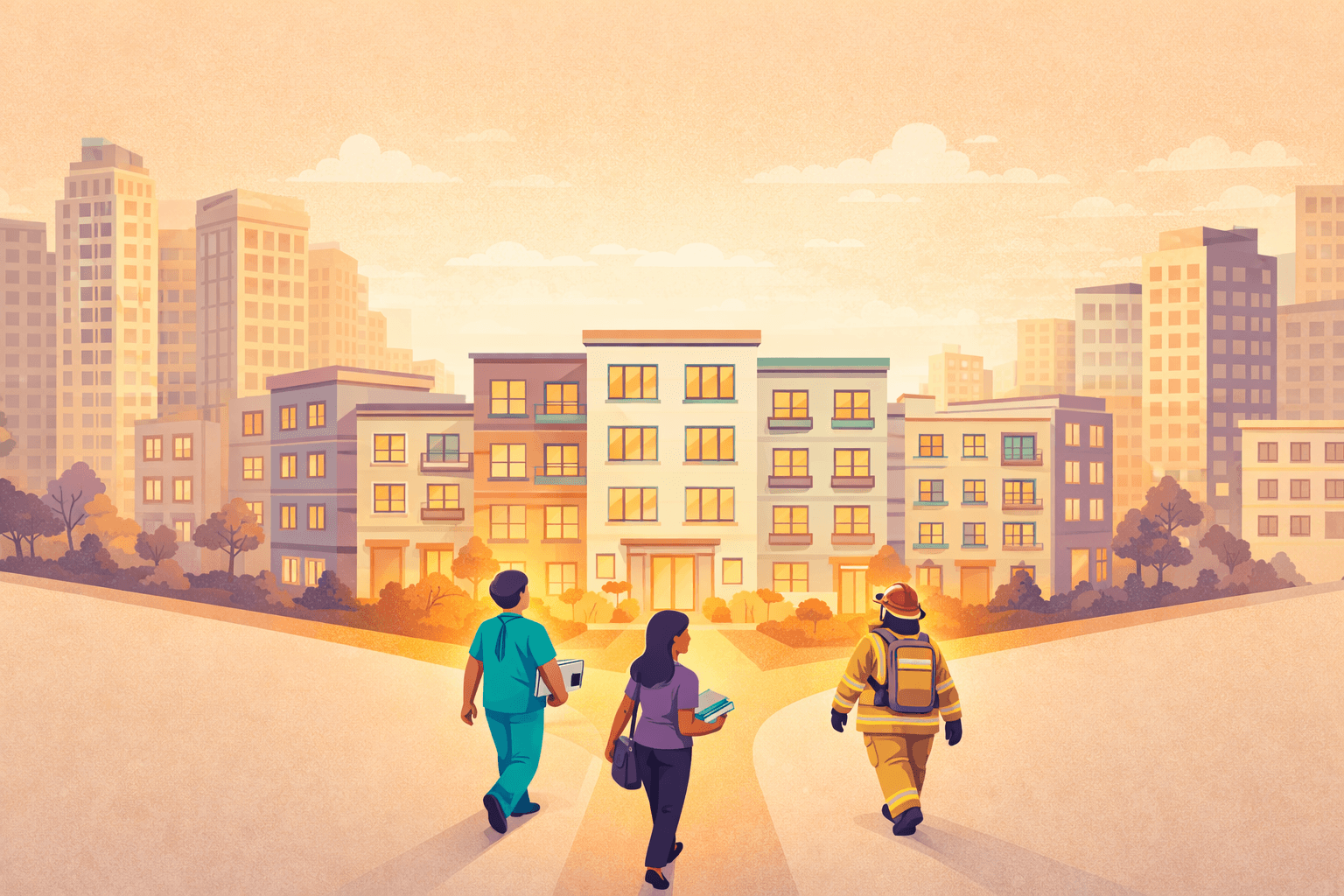
The Missing Middle of Housing
You have probably heard of affordable housing — government-subsidized units reserved for households earning below a certain income threshold. And you know market-rate housing — apartments and homes priced at whatever the local market will bear.
Between those two extremes lies a gap that affects millions of Americans. Workforce housing fills that gap. It serves people who earn too much to qualify for subsidized programs but too little to comfortably afford market-rate rents in their communities.
Think teachers, nurses, firefighters, retail managers, and municipal workers. The people who keep cities running but increasingly cannot afford to live in them.
Who Qualifies for Workforce Housing?
Workforce housing typically targets households earning between 60% and 120% of Area Median Income (AMI). The exact range varies by program and location, but the principle is consistent: it serves moderate-income workers who fall through the cracks of existing housing programs.
Here is what that looks like in practice:
- At 60% AMI in Austin, Texas, a household earning roughly $48,000 per year might qualify for subsidized affordable housing. But many programs have years-long waitlists.
- At 80-120% AMI, the same household earns $64,000 to $96,000 per year. They are above the income limits for most public assistance but spend 40-50% of their income on a market-rate apartment.
This is the workforce housing population. They do not need charity. They need housing priced at a level that makes financial sense for their income.
How It Differs From Affordable Housing
The terms "affordable" and "workforce" are sometimes used interchangeably, but they describe different segments:
- Affordable housing generally targets households at or below 60% AMI. It relies heavily on public subsidies, tax credits (like LIHTC), and government funding. Rents are capped at specific percentages of income.
- Workforce housing targets 60-120% AMI. It often uses a mix of private investment, tax incentives, and creative financing rather than direct government subsidies. Rents are below market rate but not subsidized in the same way.
The key difference is the funding model. Affordable housing depends on public dollars that are perpetually scarce. Workforce housing can attract private capital because the economics work — you are serving tenants with steady employment and moderate incomes, which means lower vacancy risk and reliable cash flow.
Why the Shortage Exists
Several forces have conspired to shrink the workforce housing supply:
Zoning restrictions
Many cities still zone large areas exclusively for single-family homes, making it illegal to build the mid-rise apartments and townhomes that workforce housing typically requires. Restrictive zoning drives up land costs and reduces buildable density.
Construction costs
Building materials and labor costs have risen sharply over the past decade. Developers who might have built moderately priced units find it more profitable to target the luxury segment, where higher rents justify higher construction costs.
Land scarcity
In high-demand metros, available land near employment centers is scarce and expensive. Workforce housing projects struggle to compete with luxury developers and commercial buyers for the same parcels.
Financing gaps
Traditional real estate financing favors projects with the highest possible returns. A workforce housing development with intentionally moderate rents may not pencil out for conventional lenders, even if the underlying demand is enormous.
Built By DAO's Approach to Workforce Housing
Built By DAO is a DAO — a decentralized autonomous organization — which means the community of members collectively governs how projects are developed. We focus on building workforce housing with a key difference: renters build equity while they live there.
Here is how our model addresses the workforce gap:
- Community-driven development. Members vote on where to build and what to prioritize. Housing decisions are made by the people who need the housing, not distant investors optimizing for returns alone.
- Rent-to-equity. Every tenant receives EQT credits equal to 10% of their monthly rent. Over time, these credits represent real ownership in the property. You are not just renting — you are building a stake.
- Blended financing. By pooling community investment and impact capital, we can build at price points that work for the 60-120% AMI range without relying solely on government subsidies.
- Long-term stability. DAO governance means the community decides on rent increases, maintenance priorities, and development standards. There is no absentee landlord incentivized to maximize short-term extraction.
Why This Matters for Your City
When workforce housing disappears, the effects ripple outward. Teachers commute 90 minutes each way. Nurses leave for cheaper metros. Small businesses lose employees who cannot afford to live nearby. The economic engine of a city depends on the people who earn moderate incomes — and those people need somewhere to live.
Building workforce housing is not just a social good. It is an economic necessity for any city that wants to keep functioning.
Housing That Works for Working People
Built By DAO develops workforce housing where renters earn real equity. If you earn a steady income but feel priced out of your city, you are exactly who this is for.
Join the waitlist to be first in line, or see how our model works.
Related Posts
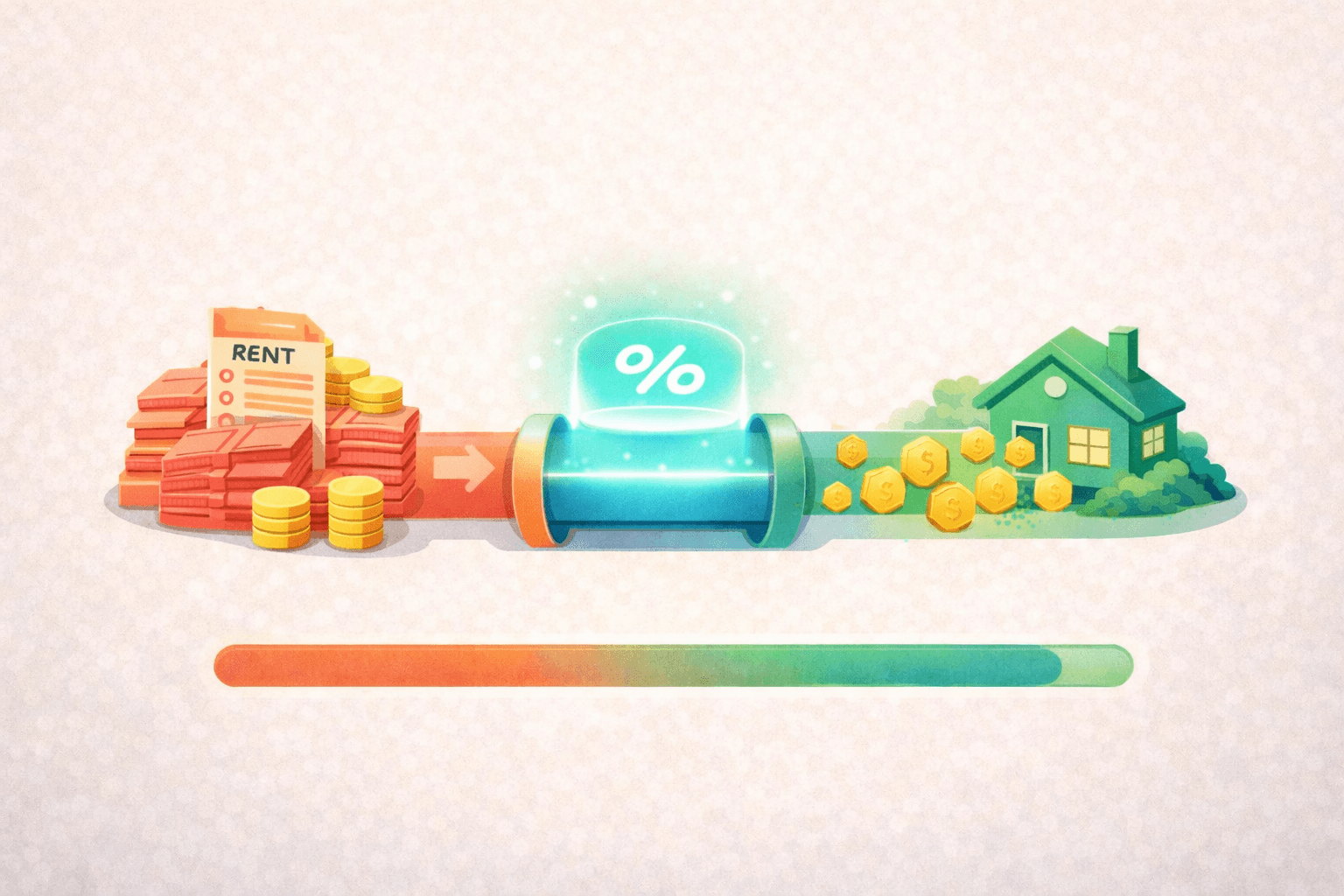
How Rent-to-Equity Actually Works: A Complete Guide
Learn how Built By DAO converts 10% of your monthly rent into real equity credits, building your path to homeownership.
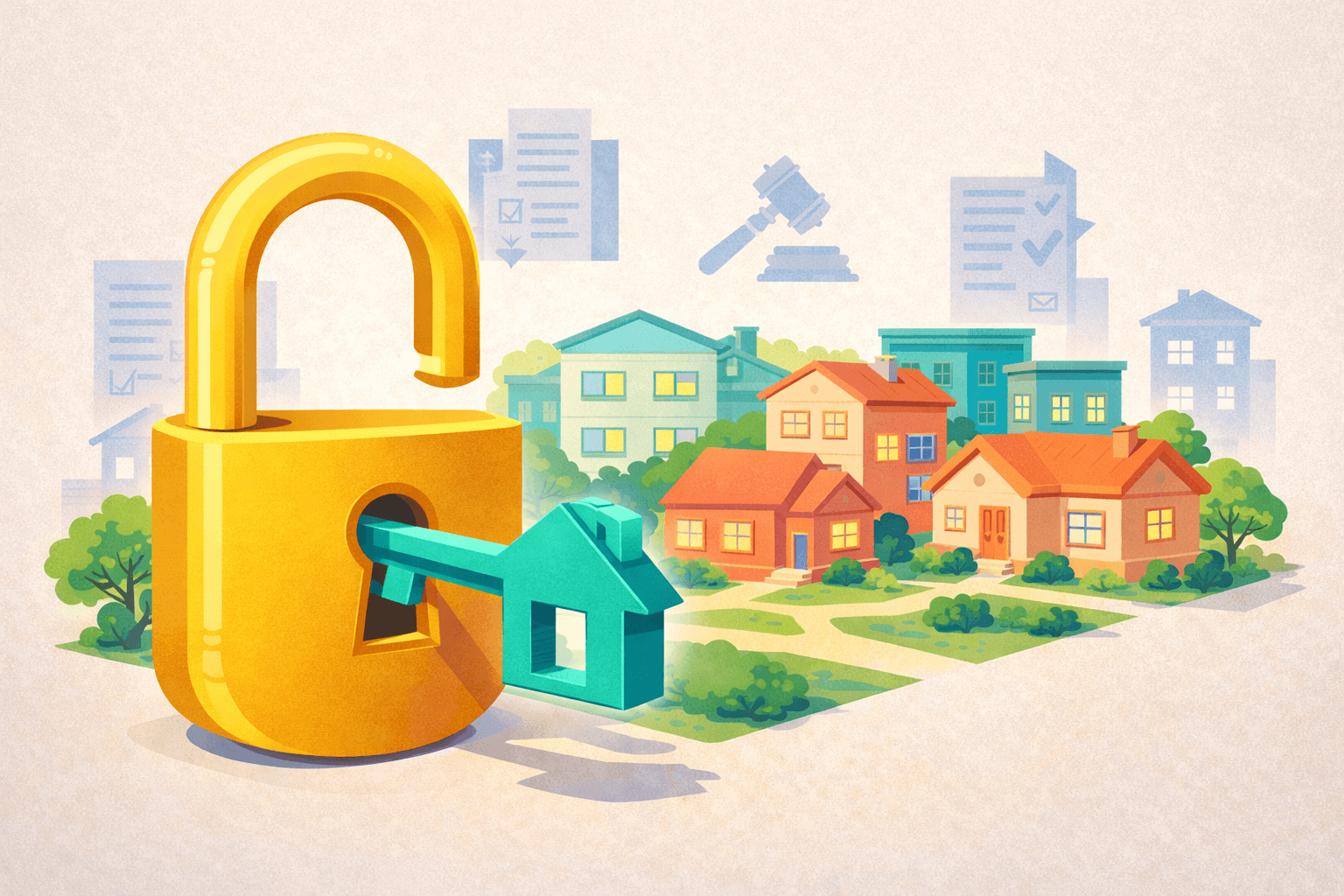
Housing Policy Changes That Could Unlock Affordability
From zoning reform to LIHTC expansion, these policy changes could make housing more affordable — especially when combined with private innovation.

Five Markets Where Renters Need Equity Most
We ranked US cities by rent burden and homeownership gap. These five metros are where rent-to-equity models could make the biggest difference.