Chicago Housing and Neighborhood Opportunity: A Community Ownership Lens
Explore Chicago housing through neighborhood opportunity, shared ownership and a practical framework for evaluating community projects.
Housing opportunity is also a neighborhood question
A Chicago housing search is about more than the advertised rent. It is also about getting to work, reaching a grocery store, caring for family, using public space and finding a place to stay long enough to build relationships.
Those neighborhood conditions matter to the ownership conversation. A household can help sustain a place for years without sharing in the assets that appreciate around it. Built By DAO is interested in a different relationship: people helping build useful places and participating in the value they create.
What neighborhood research can tell us
The Opportunity Atlas maps adult outcomes by where people grew up. It is useful for seeing how opportunity varies across places, but it is not a forecast of an individual child's future or a current ranking of every block.
Research from Opportunity Insights on childhood exposure to neighborhoods also examines how moving at different ages relates to later outcomes. Together, these resources make a practical point: the conditions around housing deserve attention alongside the housing unit itself.
A careful Chicago analysis should identify the measure, geography and period it uses. City averages, community areas and census tracts describe different things. Comparing them as if they were interchangeable can turn an important issue into a misleading headline.
Ask what an investment changes for people already there
A new building or renovated storefront can add something useful to a neighborhood. The next questions are who can use it, who helps decide what it becomes and how existing residents participate in its economic life.
Consider a shared workshop. A neighborhood benefits differently if the space offers accessible work areas, useful training and connections to local projects than if it simply occupies a storefront. Its ownership and operating arrangements determine who can influence those choices over time.
The same questions apply to housing: who owns the asset, how affordability is supported, how decisions are made and what participation actually means under the governing agreements.
Community ownership has several forms
A housing cooperative, community land trust, shared commercial property and contributor-led project can organize ownership differently. They should not be treated as interchangeable promises of a financial return.
Chicago's community wealth building ecosystem provides a local starting point for exploring shared ownership of businesses, housing, land and commercial corridors. BBD's community ownership guide explains our broader model visually.
The useful comparison is concrete: what is owned, by whom, with what decision rights and operating responsibilities?
A neighborhood assessment people can use
Before evaluating a possible project, assemble a picture of the place:
- Daily access: transit, work, schools, shops, healthcare and public space relevant to the intended users.
- Existing capacity: resident organizations, local businesses, trades, institutions and people already doing useful work.
- Property fit: current condition, permitted use, access and the work required to make the building functional.
- Participation: how local people can shape the purpose and contribute to the project.
- Operating responsibility: who will maintain the place, coordinate activity and communicate with participants.
- Ownership terms: which entity holds the property and which agreements establish participation and economic rights.
This is a project-assessment framework, not a declaration that a particular neighborhood is approved for a BBD development.
Why the Foundry connects to this question
The Foundry brings shared tools, materials, work areas and useful skills into one place. It gives the ownership idea an operating purpose: a neighborhood gains capacity to make, repair and build.
The potential of a Chicago project depends on local fit. A location, a community relationship and an operating plan have to come together. The model is a way to structure that work, not a replacement for it.
Local context shapes the project
A shared workshop in Chicago and an adaptive-reuse project in Detroit can pursue the same ownership purpose while needing different operating plans. The surrounding residents, transit connections, building condition and permitted uses determine what a particular place can support.
Detroit's adaptive-reuse guidance is one starting point for understanding how existing buildings can take on new uses there. In Chicago, a project should begin with the people and institutions already connected to its neighborhood, then test the building against that purpose. Neither city can be understood from a purchase price alone.
Our building process article connects those local questions to a practical sequence: establish the use, identify a workable first phase, organize the resources and prepare for ongoing operations.
Bring local knowledge into the build
People who live and work in a place often know which spaces are underused, what services are missing and who is already trying to build something useful.
If you have a Chicago or Detroit property, project or partnership in mind, share the opportunity or start a partnership conversation. You can also read our South Shore article for a neighborhood-focused discussion of ownership and control.
Related Posts

Renting in Chicago While Wealth Stays Out of Reach: What Income Inequality Costs You
Chicago's income gap isn't just a statistic — it shapes where people live, what they can afford, and whether they ever build wealth. Here's what that means for renters, and what's changing.
Housing Policy Changes That Could Unlock Affordability
From zoning reform to LIHTC expansion, these policy changes could make housing more affordable — especially when combined with private innovation.
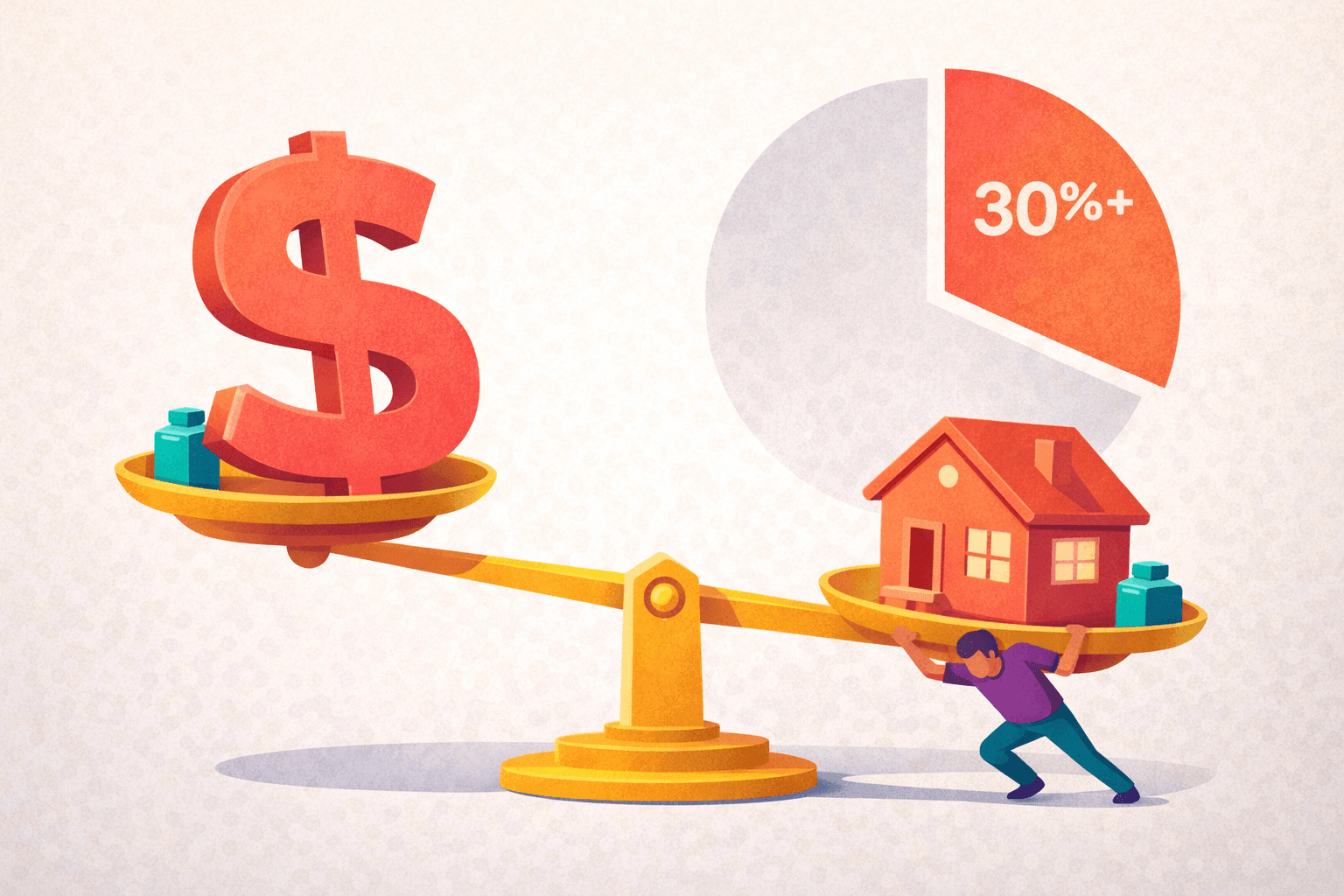
The Real Cost of Renting in America
Nearly half of US renters spend more than 30% of income on housing. Here's what the data says — and how equity models change the math.