How Built By DAO Brings a Building Into Use
Follow the BBD development sequence: property fit, a usable first phase, contribution, capital and the handoff to operations.
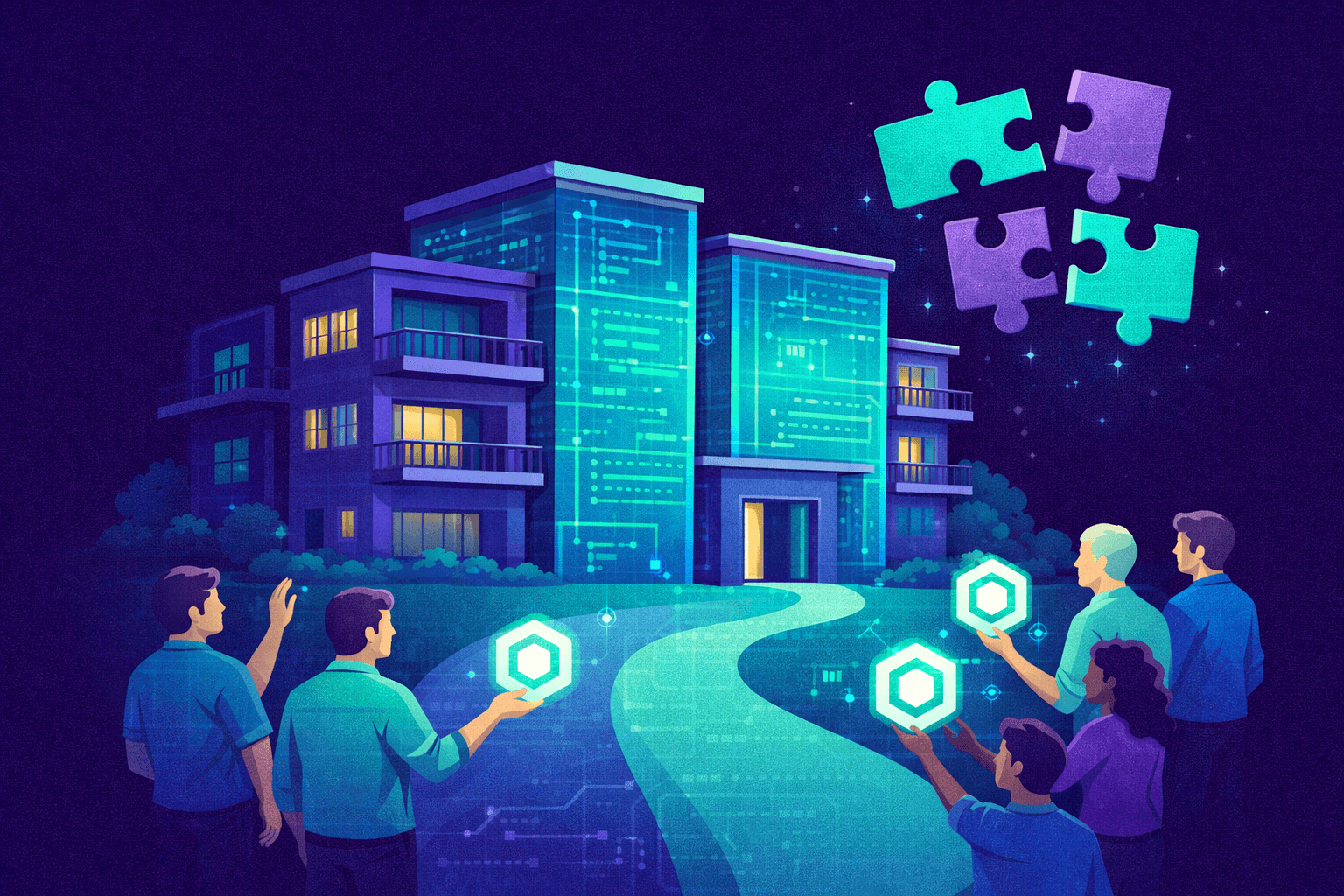
A different ownership model needs a practical building process
A community can have a clear vision and still need a way to turn it into a functioning place. Built By DAO's model connects a property, useful contribution, operating capacity and a suitable capital structure.
This article follows the development sequence. It explains what needs to come together before a building can support the people and activities imagined for it.
1. Start with the use, then evaluate the building
An inexpensive building is not automatically a good project. Start by defining what the neighborhood and intended users need: workshop space, storage, shared services, housing or a combination of uses.
Then assess whether the property can support that purpose. The questions include access, building condition, layout, utilities, permitted uses and the cost of making the space functional. A shared workshop and a residential building have different operating requirements.
Our building transformation guide makes this sequence visible. Its illustrations explain a process; a particular property's plan needs its own assessment.
2. Build the scope around a usable first phase
A first phase should produce something people can actually use. Define the space it opens, the equipment it needs, the people responsible and the work required to operate it.
This helps distinguish essential work from later improvements. An attractive rendering can describe an ambition; a scope, budget and operating plan describe how to reach a usable result.
For a Foundry, that might mean establishing safe storage, a defined work area and the routines needed to coordinate tools and materials. Housing or additional commercial activity would need its own scope and permissions.
3. Match contribution to real tasks
People can contribute in different ways: research, design, organizing, sourcing materials, software, communications or qualified project work. Each contribution should connect to a defined deliverable and review.
The contribution guide explains how useful work becomes a visible record. A larger project becomes easier to join when someone can see a task's purpose, expected result and point of contact.
4. Match capital to the project
The capital structure should follow the property, the participants and the use of funds. A project-level investment, a broader investment structure or a Qualified Opportunity Fund route may fit different circumstances.
BBD's investor section explains the available conversation paths. The investment structure guide helps distinguish project economics from participation in the wider network. Terms are established for the particular opportunity rather than inferred from the general model.
5. Plan the handoff into operations
A completed renovation is a beginning. The place needs someone to coordinate maintenance, scheduling, records and communication. It needs an operating budget and a process for resolving practical issues.
Define that handoff while planning the work. Equipment should have an owner for maintenance. Shared spaces need operating rules. Project records should be usable by the people taking responsibility after construction.
Why Chicago and Detroit belong in this conversation
BBD's local content work focuses on Chicago and Detroit because the relationship between existing buildings, neighborhood participation and shared ownership deserves detailed local treatment. The model must respond to a specific place, its residents and its approval process.
Detroit's adaptive reuse guidance describes a city process for evaluating certain changes of use. Chicago's community wealth building ecosystem offers a local reference point for shared ownership. Neither reference implies a BBD project approval or a partnership with those organizations.
Bring a concrete opportunity
A useful first conversation can start with a location, the current use, a public listing and an idea for what the place could support. BBD can then explore the people, property and structure together.
Related Posts
Revolutionizing Real Estate with Blockchain Technology
From tokenizing properties to automating transactions with smart contracts, blockchain is creating new possibilities for how real estate assets are traded and managed.

Real Estate Is Still the Gold Standard. Blockchain Just Makes It Smarter.
Real estate remains one of the most trusted investment vehicles. Blockchain technology adds new layers of security, transparency, and liquidity without disrupting what already works.
Blockchain and DAOs: Securing the Future for Traditional Real Estate Investors
Blockchain and DAOs aren't disruptions to real estate investing — they're enhancements. Learn how tokenization, smart contracts, and decentralized governance strengthen security, transparency, and liquidity for traditional investors.